

















Media Buying & Strategy

Media buying and strategy built around incremental growth, not managed spend.

Media buying and strategy dashboard graphic with budget allocation waterfall, media mix stacked bars, geo map and CPM metrics
Full-funnel paid media across search, social, programmatic, and TV.
Media buying and strategy dashboard graphic with budget allocation waterfall, media mix stacked bars, geo map and CPM metrics

Where media buying and strategy programs go wrong

01

Media mix ceiling

Brands often hit a ceiling because too much budget has concentrated in too few places. Diminishing returns set in gradually and by the time they're visible, reoptimizing within the same channels won't fix a media mix that's structurally inefficient.
02

Bad metrics

Most programs are optimized toward platform metrics that have no direct connection to business outcomes. ROAS, CPL, and CTR look good in reports but don't tell you whether spend is actually driving growth, and platforms are incentivized to claim credit for as many conversions as possible.
03

Performance-creative disconnect

Media and creative are treated as separate workstreams, so campaigns go live with assets that weren't designed for the channel, the audience, or the stage of the funnel. Search is also evolving faster than most media plans account for, with AI overviews and generative search changing where and how intent gets captured.

Our approach to media buying and strategy

Every program runs on a single integrated system where measurement informs creative, creative informs media, and media decisions are validated by data. The result is a cycle of learning that compounds over time, not a set of disconnected tactics that reset every quarter.

Marginal return mapping

Diminishing returns modeling to identify where each channel is over-invested and where incremental budget would create the most growth, with channel expansion driven by audience data and incrementality evidence rather than diversification for the sake of it.

Incrementality testing

Geo-holdout incrementality testing to validate channel performance against total business outcomes so in-platform reporting can't create a false sense of confidence, with business outcome metrics as the north star rather than ROAS and CPL.

Integrated test roadmap

Channel strategy and creative briefs developed together from the start, with structured testing roadmaps that include hypotheses, success criteria, and decision rules built in before launch so media decisions compound over time.
Work With Us
Tempur-Pedic
Uber
Asana
MasterClass
coinbase
change.org

How Asana grew revenue by 86% from 2019 to 2020

Asana’s mission is to help humanity thrive by enabling the world’s teams to work together effortlessly. They are empowering millions of teams across 190 countries to do great things with Asana.

Asana logoRead the Case Study

The Paid Media Growth Journey of Smith Optics

Smith Optics is an industry leader that pioneers advanced eyewear and helmets that incorporate dynamic technologies, optimized performance and clean styling to fuel fun beyond walls.

Smith Optics logoRead the Case Study

How ActiveCampaign scaled leads and sales YOY

ActiveCampaign's category-defining Customer Experience Automation (CXA) platform helps over 130,000 businesses in 170 countries meaningfully engage with their customers. Thrive scaled ActiveCampaign's lead and sales opportunities across multiple advertising channels, while maintaining ROAS.

ActiveCampaign logoRead the Case Study

How Earnest increased volume of leads by 40X

Earnest is a financial services company specializing in debt refinancing for students receiving a professional designation upon graduation from college. While Earnest generates a great deal of its business from its first-class reputation, engaging brand, and disruptive business model, a key component of its expansion plan was to launch a robust digital customer acquisition program across paid channels.

Earnest logoRead the Case Study

How Notion scaled spend, increased CTR and drove more engagement

Thrive Digital has helped Notion produce new creative assets to improve engagement and click-through rates, which helped ramp up their spends on Facebook to mirror their aggressive growth goals.

Notion logoRead the Case Study

How Arc'teryx grew paid revenue 43x over 6 years

Thrive Digital was hired by Arc’teryx in order to lead all digital media planning and buying initiatives. This included initiatives on social ad platforms like Facebook Ads and YouTube, paid search initiatives on Google Adwords/Bing Ads, and campaigns on remarketing channels, DoubleClick and numerous other digital ad buying channels.

Arc'teryx logoRead the Case Study

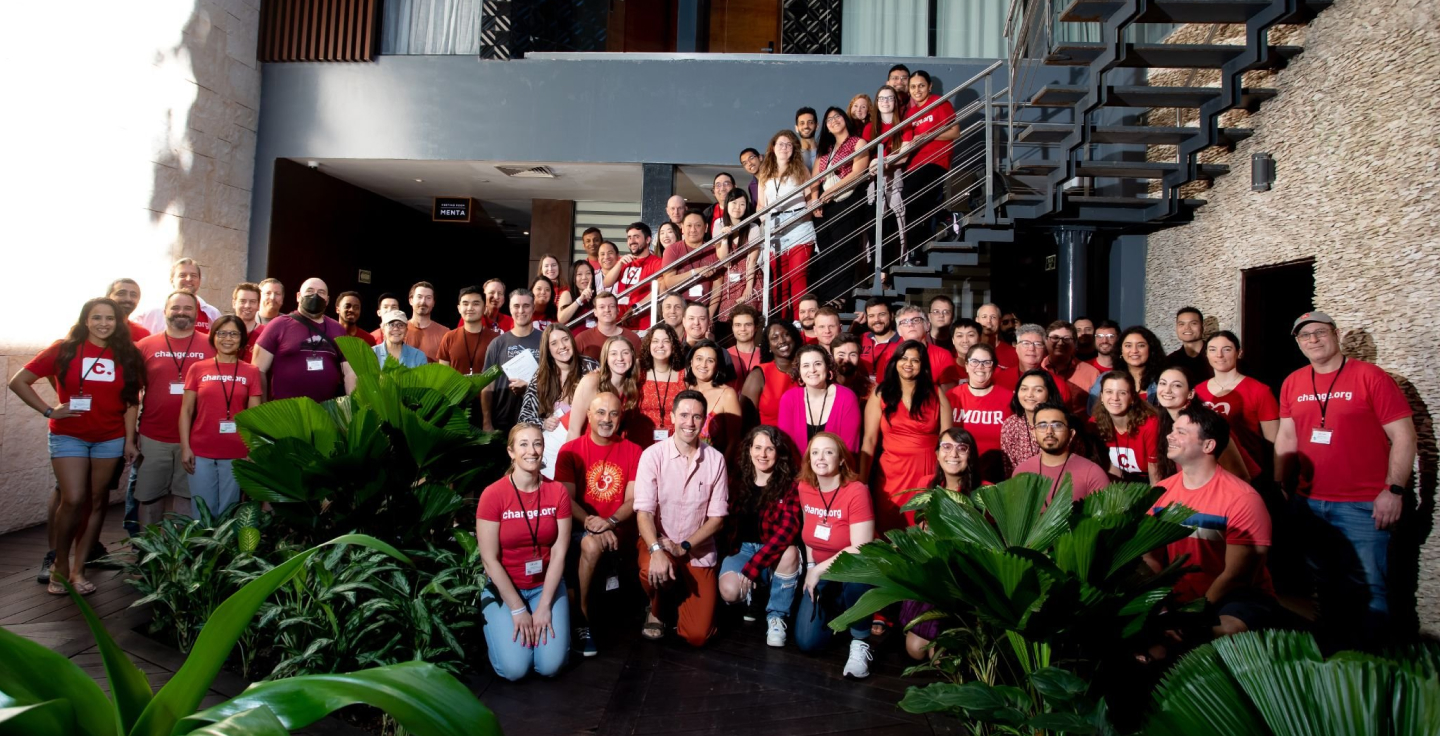
How Change.org increased awareness to scale meaningful change during COVID-19 and other important events.

Thrive Digital was asked to help Change.org maximize the reach of its users’ petitions, leading to change within local communities and globally. Our partnership with Change.org spanned across key global events such as Covid-19, the Black Lives Matter movement, and more.

Change.org logoRead the Case Study

How Adopt a Pet optimized channel investment strategy through incrementality testing

Determining true channel incrementality through geo-holdout experimentation to optimize media investment strategy

Adopt a Pet logoRead the Case Study
We've helped some of the world's best brands grow
“Thrive has restored my faith in agencies.”
Phu Bui
Phu Bui
Director of Trial Optimization, ActiveCampaign
Media planning is the strategic work: setting goals, defining audiences, and allocating budget across channels before spend starts. Media buying is the execution. Treating them as the same thing means strategy never gets the attention it deserves.
Explore media planning
Paid search across Google and Microsoft, paid social across Meta, LinkedIn, TikTok, Pinterest, Reddit, and Snapchat, programmatic display and video, connected TV, linear TV, and emerging channels. Channel selection is driven by audience data and incrementality evidence.
Explore media planning
Starting from client audience data, conversion economics, and business objectives, then validating allocation decisions with incrementality testing. Diminishing returns modeling identifies where additional investment has the most runway before spend decisions are made.
Explore incrementality testing
Against business outcomes: total revenue, new customer acquisition rate, pipeline generated, or cost per qualified lead depending on the objective. Channel metrics inform in-flight decisions. Incrementality testing validates causal impact. Platform metrics are inputs, not the answer.
Explore analytics and attribution
Onboarding starts with a media audit covering campaign structure, attribution setup, creative inventory, and channel mix before any new spend goes live. From there a testing roadmap and channel strategy are developed before campaigns launch, with structured optimization and monthly creative testing ongoing.
See our process
A new channel doesn't get budget until there's evidence it will drive net new growth. Diminishing returns modeling on core channels identifies when the timing is right, then a structured test validates the new channel before budget scales.
Explore incrementality testing